Merry Christmas!

Just a quick post to wish a Merry Christmas to those who celebrate it – and for those who don’t, I hope you have a lovely day anyway!

Thank you to everyone who has read, liked or commented on my reviews throughout the year. It’s very much appreciated! Have a great Christmas and I’ll be back soon with one or two more posts before the end of the month.

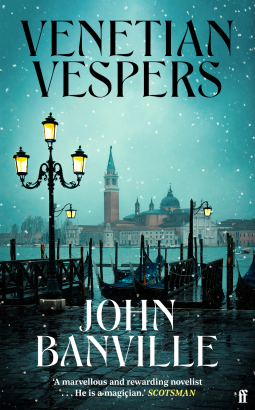
Venetian Vespers by John Banville

So far my experience of John Banville’s writing has been limited to Prague Nights, one of his mystery novels published under the pseudonym Benjamin Black. I’ve been meaning to try more of his books and when I saw this one, I was immediately drawn to it by the title and the beautiful cover (I love a Venetian setting).

Venetian Vespers is set at the turn of the 20th century and begins with writer Evelyn Dolman and his wife Laura on their way to Venice for a belated honeymoon – the reason for the delay is that Laura’s father died just after their marriage. Evelyn had been expecting Laura to inherit her father’s fortune, but due to some sort of conflict that Evelyn doesn’t fully understand, his father-in-law left everything to his other daughter instead. This is disappointing for Evelyn – but then, their whole marriage has been a disappointment so far and isn’t showing any signs of improving.

On their first night in Venice, Evelyn meets Frederick FitzHerbert, a man who claims to have been at school with him, although Evelyn can’t remember him at all. He doesn’t like to admit this, though, so falls into conversation with Freddie and is introduced to his beautiful sister, Francesca. Returning drunk to the palazzo near St Mark’s Square where he and Laura are staying, Evelyn behaves so badly towards his wife that when he wakes up in the morning she has disappeared. Despite feeling ashamed of himself, he makes no real attempt to find Laura, too distracted by thoughts of Francesca. But are Francesca and her brother really who they say they are and what do they want with Evelyn?

It’s obvious to the reader from early on that the FitzHerberts are con artists of some sort, but what we don’t know is what they’re hoping to achieve or why they’ve picked Evelyn as their target. We also don’t know what has happened to Laura, so there’s plenty of tension and mystery. However, the whole novel is narrated by Evelyn from a point in the future, which means there’s lots of foreshadowing and comments like “looking back, I can see” and “If I’d known then what I know now” and I found this a bit annoying. Also, all the foreshadowing and hinting meant I spent most of the book waiting for something dramatic to happen and when it eventually did, very late in the book, I felt slightly let down.

The book is beautifully written, though! Banville uses language appropriate to the period, with every word and phrase carefully chosen so that you could almost imagine it was written in an earlier time. It’s also extremely atmospheric. I love Venice but have only been there in the summer, in hot, sunny weather; Evelyn is there in the winter and the Venice he describes is a gloomy, sinister, forbidding place – “that place of glancing lights, distorting reflections, looming shadows”. It’s the perfect backdrop for the unpleasant, unlikeable characters (even our narrator is an awful person).

Although I couldn’t quite manage to love this book, I enjoyed it more than the other one I read by Banville and was captivated by the haunting portrayal of Venice and the tense, unsettling atmosphere. An ideal read for cold, dark evenings.

Thanks to Faber & Faber for providing a copy of this book for review via NetGalley.

The Book of Human Skin by Michelle Lovric – #DoorstoppersInDecember

I loved Michelle Lovric’s The True and Splendid History of the Harristown Sisters – it was one of my books of the year in 2014, the year it was published – and I’ve always intended to read more of her work. I finally picked up her 2010 novel, The Book of Human Skin, in the summer, but when I saw how long it was (512 pages) I decided to save it for Laura’s Doorstoppers in December event instead!

I didn’t love this book quite as much as Harristown Sisters, but it’s still a fascinating story. Set in Venice and Peru around the turn of the 19th century, it has five very different narrators. The character around whom everything else revolves is Marcella Fasan, a young woman from an aristocratic Venetian family. From birth, Marcella has been the subject of her brother’s hatred and envy – being twelve years older, Minguillo has always expected to be the sole heir to the family fortune and he resents the arrival of a baby sister who poses a threat to his inheritance.

As the years go by, Minguillo’s treatment of Marcella becomes increasingly cruel and brutal, until her friends decide it’s time to intervene. One of these is Gianni, a servant in the Fasan household. Minguillo believes him to be stupid and illiterate, but this is far from the truth and Gianni uses Minguillo’s misconceptions to his advantage. There’s also Santo Aldobrandini, a young surgeon who develops his skills treating the wounded in Napoleon’s army before making his way to Venice where he falls in love with Marcella. When he hears of what Marcella has suffered at her brother’s hands he’s determined to do whatever he can to rescue her.

The perspective switches between these four characters – and a fifth I haven’t mentioned yet – as they take turns to tell the story. The strongest and most unusual narrative voice is Gianni’s; although he’s far more intelligent than Minguillo assumes and has learned to read and write, his grasp of the written language is still not very good and he spells words phonetically or uses the wrong word in place of the right one. I found this annoying and distracting at first, but eventually got used to it – and it does result in some amusing spelling mistakes, such as hair for heir, aunts for ants or storks for stalks. Minguillo’s narration is also very distinctive due to him being so malicious, spiteful and sadistic. Despite this, as a storyteller he’s clever and charming, which makes his parts of the novel very compelling as well as horribly disturbing.

The fifth narrator is Sor Loreta, a nun at the convent of Santa Catalina in Arequipa, Peru. Sor Loreta is a religious fanatic, convinced that she has been chosen by God and that she is on the path to sainthood. She despises anyone who stands in her way or tries to reason with her – and this includes the prioress, who believes Sor Loreta is deluded and insane. This storyline seems very separate from the others, particularly as it’s taking place in a completely different country, but they do all come together in the end!

You may be wondering about the title of the novel. Well, one of Minguillo’s interests is collecting books bound in human skin. Gruesome as it may sound, there really was a demand for these books, which peaked in the 19th century, and it’s not surprising that a character as wicked and cold-blooded as Minguillo would be drawn to a hobby like this.

Finally, I need to mention the historical note at the back of the book. It’s so long it’s practically a whole non-fiction book in its own right! Lovric tells us which characters were fictional and which were based on real people, before going into a lot of depth on various historical aspects of the book, particularly the history of Venetian and Peruvian nuns and what it was like to live in a convent. It’s much more detailed than you would usually expect an author’s note to be and it was very interesting to read.

As it turns out, this was the perfect time for me to read this book because a sequel, The Puffin, has recently been announced for publication in 2026. I was also interested to learn that one of the characters in the book, the painter Cecilia Cornaro, is the subject of one of Lovric’s earlier novels, Carnevale, so I’ll have to look for that one as well.

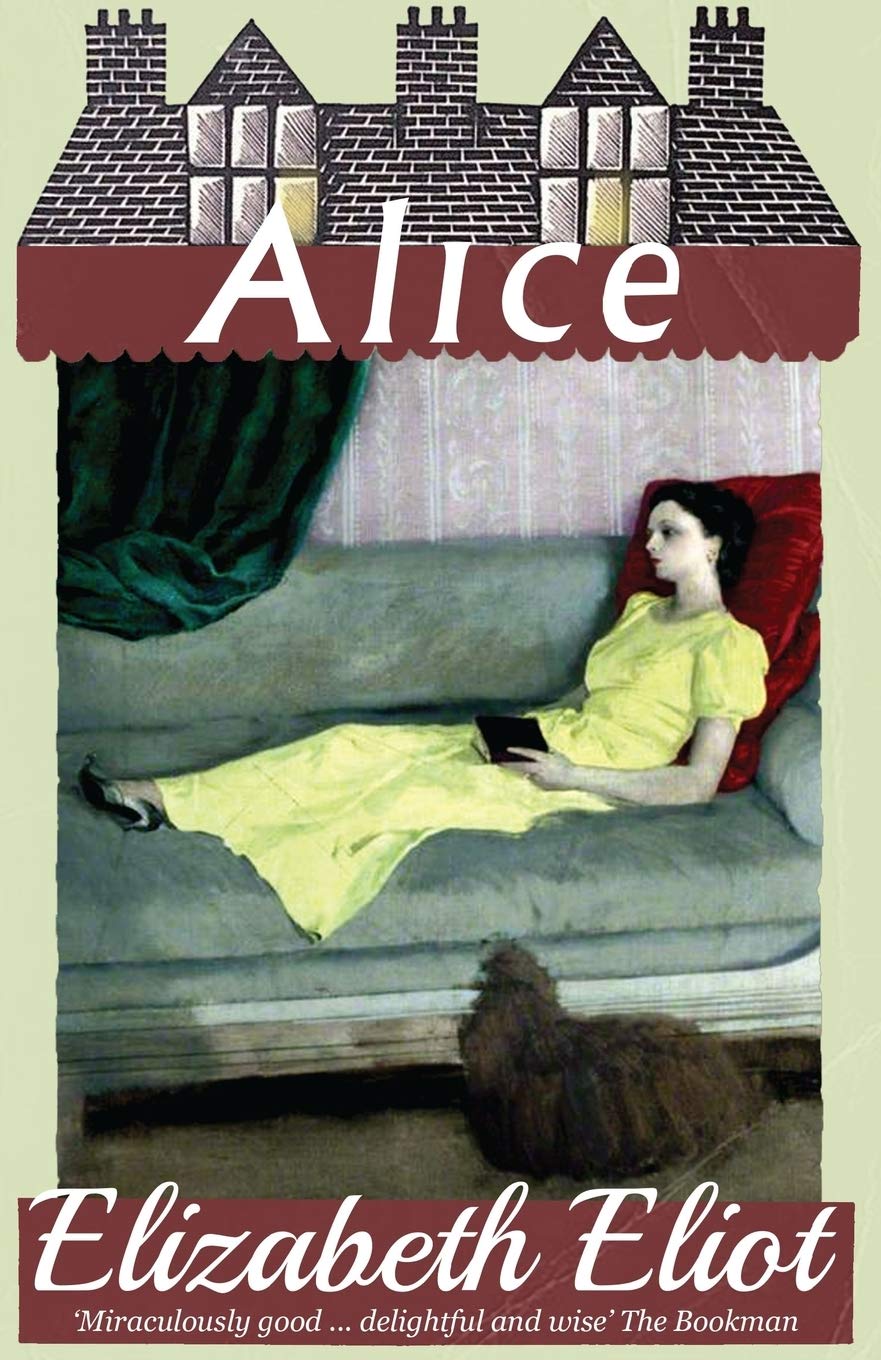
Alice by Elizabeth Eliot – #DeanStreetDecember25

My second book for this year’s Dean Street Press December (hosted by Liz of Adventures in Reading, Running and Working from Home) is Alice, Elizabeth Eliot’s first novel, originally published in 1949. Eliot is a new author for me but I’ve heard good things about her books from other bloggers.

Although the title of the novel is Alice, the narrator is actually Margaret Boswell, Alice’s best friend. They meet at boarding school in the 1920s and their friendship continues as they begin their adult lives. Both girls come from wealthy, privileged backgrounds, but Margaret’s family life seems quite a lonely one – she’s an only child and her mother, who is divorced, has little time for her daughter. Margaret lives mainly with her grandmother and is envious of Alice, who has two siblings.

As the two girls emerge from their sheltered childhoods, Margaret begins to discover that Alice is actually very insecure and unhappy. Alice falls into several disastrous romantic relationships, including a marriage to a man she barely knows, is betrayed by her older sister and attempts suicide. All of this is seen from Margaret’s perspective, but it’s very much Alice’s story (Margaret’s own marriage, for example, is only mentioned very briefly, in passing).

Alice is an interesting portrayal of what life was like between the two world wars for women of Alice and Margaret’s class. Eliot shows how, despite their expensive boarding schools and finishing schools, they are still unprepared for the realities of adulthood and she explores the lack of opportunities, beyond marriage, that are open to them. Both women eventually find some level of independence, with Alice deciding to become an actress and Margaret going to college to learn typing, but Alice, at least, still doesn’t feel satisfied and other characters observe that she seems ‘afraid of life’.

I’ve probably made this book sound bleak, but although it is a bit dark in places, it’s also funny and entertaining. This is largely down to the writing style, I think – Margaret tells the story in a very matter-of-fact way, even when describing something dramatic, and she comes across as quite naive and artless, which makes the overall tone feel amusing and less emotional than it could have been. The blurb draws comparisons with Barbara Comyns and Rachel Ferguson so if you’ve read either of those authors, that may give you an idea of what to expect.

There are another three Elizabeth Eliot novels available from Dean Street Press: Henry, Mrs. Martell, and Cecil. Based on how much I enjoyed this book, I’ll definitely have to consider reading the others!

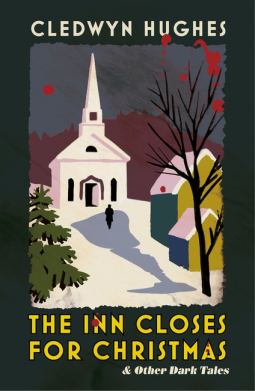
The Inn Closes for Christmas & Other Dark Tales by Cledwyn Hughes

Cledwyn Hughes is a completely new author for me – in fact, I had never heard of him until I spotted this new edition of his work on NetGalley recently. Hughes (not to be confused with the Labour politician of the same name) is a Welsh author of short stories – over 250 of them, apparently – novels, children’s books and nonfiction books about Wales. This new collection from John Murray Press includes his 1947 novella, The Inn Closes for Christmas, and several other, much shorter stories.

The Inn Closes for Christmas is a bizarre, macabre story. It begins at Christmas with a bank manager in the town of Welton sitting down to open a file containing a bundle of papers. The man who left it to him – the dentist, Mr Sterrill – has asked him to read through these papers every Christmas for as long as he should live. First, the bank manager examines some newspaper cuttings relating to the death, inquest and funeral of the dentist’s wife. Finally, he turns to the longest document in the file – a document written by Mr Sterrill himself.

The dentist starts by describing his marriage to his wife, Doreen, and giving an account of the car accident in which she lost one of her legs. Faced with spending the rest of her life with a missing limb, Doreen is delighted when she is provided with a prosthetic replacement. Her husband, however, is not pleased at all. He hates the way his wife looks at her artificial leg, the way she speaks so fondly of it and keeps it beside her in bed at night. In other words, he’s jealous of it. So when Doreen dies from what seems to be an infected abscess, Sterrill looks forward to getting rid of the leg at last. The only problem is, the leg doesn’t want to go…

This is such a strange story – I wonder what made Cledwyn Hughes think of it! I can’t say any more about the plot without spoiling it, but it really is one of the most unusual stories I’ve read. The way Hughes describes the mental deterioration of the narrator as he becomes more and more obsessed with the leg and consumed by guilt and fear reminded me of some of Edgar Allan Poe’s stories. It’s quite creepy in places, but also with an undercurrent of dark humour which made it both entertaining and unsettling.

Despite the title, this is definitely not a festive Christmas tale and could be read at any time of year. The US title was originally He Dared Not Look Behind which is probably more appropriate (you’ll understand why once you’ve read the story). This new edition includes six other stories by Hughes which I found too short to be very satisfying and I felt that they were only there to make the book feel a bit more substantial. The title novella alone makes it worth reading, though, and it’s not one I’ll forget in a hurry!

Thanks to John Murray Press/Baskerville for providing a copy of this book for review via NetGalley.

Historical Musings #93: Books to look out for in 2026

In what has become a December tradition here on the blog, it’s time to look ahead to the historical fiction being published in the year to come. I’m listing below a selection of 2026 releases that have caught my attention for one reason or another – some are review copies I’ve already received, some are new books by authors I’ve previously enjoyed and others just sound interesting. 2026 looks like being a great year for historical fiction and I hope there’s something here that appeals to you!

Dates provided are for the UK and were correct at the time of posting.

~

JANUARY

A Slow and Secret Poison by Carmella Lowkis (22nd January 2026; Doubleday) – A Gothic novel set in an English country house.

Brigid by Kim Curran (29th January 2026; Michael Joseph) – A reimagining of the life of Ireland’s St Brigid.

FEBRUARY
The Wandering Queen by Claire Heywood (12th February 2026; Hodder & Stoughton) – The story of Dido, Queen of Carthage.

The House of Fallen Sisters by Louise Hare (12th February 2026; HQ) – A new novel about the dark side of 18th century London

The Night Hag by Hester Musson (26th February 2026; Fourth Estate) – Historical mystery set in 19th century Scotland.

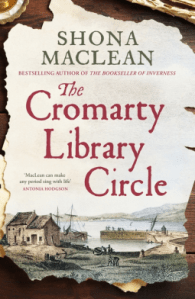
The Cromarty Library Circle by Shona MacLean (26th February 2026; Quercus) – A group of people are drawn together by their love of books in 1830s Scotland.

Nonesuch by Francis Spufford (26th February 2026; Faber & Faber) – Historical fantasy set during the London Blitz.

MARCH

A Far-flung Life by ML Stedman (5th March 2026; Transworld) – A family saga set in Western Australia. It’s been such a long time since Stedman’s first novel!
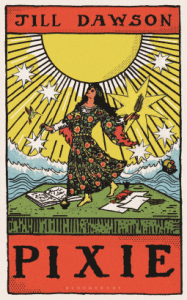
Pixie by Jill Dawson (12th March 2026; Bloomsbury) – A fictional account of the life of Pamela ‘Pixie’ Colman Smith, a British artist, illustrator, writer and occultist.

A Remedy for Fate by MA Kuzniar (12th March 2026; Hodderscape) – Historical fantasy set in the Magic Quarter of 18th century Prague.

Love Lane by Patrick Gale (26th March 2026; Tinder Press) – A sequel to A Place Called Winter, this time taking us to 1950s Liverpool.

The Dreadfuls by A. Rae Dunlap (31st March 2026; Kensington Publishing) – Historical thriller revolving around the Jack the Ripper murders.

APRIL
The Crownless Queen by Elizabeth Chadwick (9th April 2026; Sphere) – The second in Chadwick’s duology about Jeanette of Kent.

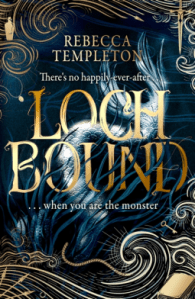
Lochbound by Rebecca Templeton (16th April 2026; Sphere) – A woman in 1720s Scotland is cursed to spend her days in the form of a monster imprisoned in a loch.

Lidie by Jane Smiley (21st April 2026; Knopf Publishing Group) – Two women flee America just before the Civil War begins to start a new life in England.

The House of Boleyn by Tracey Borman (23rd April 2026; Hodder & Stoughton) – A novel about the rise and fall of the Boleyn family.

MAY

Rebel’s Gambit by SJ Parris (21st May 2026; Hemlock Press) – The second book in Parris’ new Sophia de Wolfe mystery series.
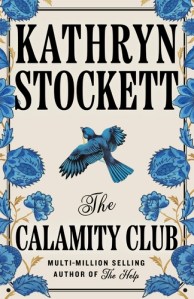
The Calamity Club by Kathryn Stockett (21st May 2026; Penguin) – Stockett’s long-awaited second novel follows a group of women living in Mississippi during the Great Depression.

Murder at the Spirit Lounge by Jess Kidd (21st May 2026; Faber & Faber) – The second book in the Nora Breen mystery series, starring an ex-nun detective and set in a 1950s seaside town.

The Boleyn Secret by Alison Weir (21st May 2026; Headline) – The latest of Weir’s Tudor novels, this time about Anne Boleyn’s niece, Kate Carey.

The Repentants by Kate Foster (28th May 2026; Mantle) – Foster’s new novel is set in the 18th century and inspired by a real-life attempt by Scottish landowners to annex Iceland for the British Empire.

JUNE

Daughters of the Sun and Moon by Lisa See (2nd June 2026; Scribner) – The story of three Chinese women who arrive in Los Angeles in 1870.

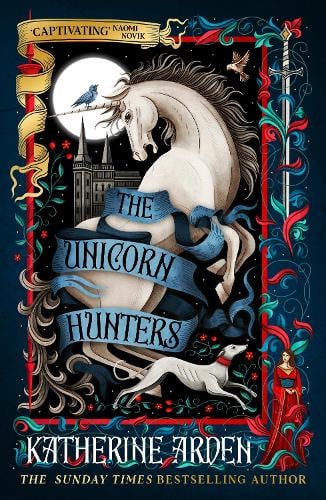
The Unicorn Hunters by Katherine Arden (2nd June 2026; Century) – Historical fantasy set in the magical forests of Brittany. I can’t wait for this one!

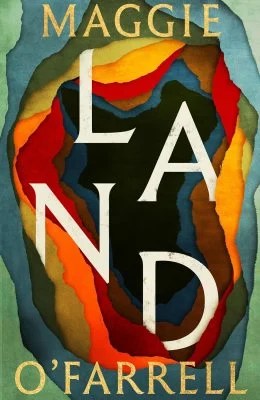
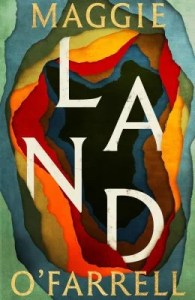
Land by Maggie O’Farrell (2nd June 2026; Tinder Press) – The story of a father and son working on a project to map the whole of Ireland in 1865.

The Queen’s Sister by Carol McGrath (4th June 2026; Headline) – A Tudor novel about Elizabeth Seymour, sister of Henry VIII’s wife Jane Seymour.

A Ghost Hunter’s Guide to Catching a Killer by FH Petford (4th June 2026; Hodder & Stoughton) – The second book in the Alma Timperley mystery series set during the First World War.
Pale Mistress by Naomi Kelsey (4th June 2026; Harper North) – Set in 17th century Cyprus, this is a reimagining of the story of Bianca from Shakespeare’s Othello.

The Lost Chateau by Dinah Jefferies (4th June 2026; HarperCollins) – A sequel to The Greek House, this time taking us to the French countryside in the 1930s.

This Immortal Heart by Jennifer Saint (4th June 2026; Viking) – A retelling of the story of Aphrodite and her relationship with Ares.

JULY

The Scandalous Ladies Football Club by Frances Quinn (2nd July 2026; Simon & Schuster) – A group of women form Britain’s first ever women’s football team in 1890s London.

AUGUST

Henrietta by Sophie Irwin (13th August 2026; Penguin) – Described as ‘the first and only authorised Georgette Heyer continuation novel’, this book takes characters from Heyer’s Snowdrift collection and works them into a new novel.

Agrippa by Robert Harris (27th August 2026; Hutchinson Heinemann) – The story of the Emperor Augustus seen through the eyes of his closest friend, Agrippa. I love Harris’s books set in Ancient Rome!

SEPTEMBER

Cold Sunset by William Boyd (3rd September 2026; Penguin) – The third book featuring accidental spy Gabriel Dax, this time taking us to Cold War Russia.

The Midnight Guests by Alex Hay (10th September 2026; Headline) – A mystery unfolding over a period of twenty-four hours in a 1920s London hotel.
The Housekeeper by Rose Tremain (17th September 2026; Chatto & Windus) – A fictional account of the woman who inspired Mrs Danvers in Daphne du Maurier’s Rebecca.

OCTOBER

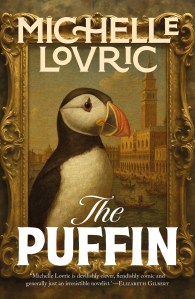
The Puffin by Michelle Lovric (8th October 2026; Salt) – A sequel to Lovric’s The Book of Human Skin, set in 19th century Venice.

DECEMBER

Domain of Darkness by Marisa Linton (3rd December 2026; Hodderscape) – The sequel to the Edwardian supernatural mystery Circle of Shadows, which I read earlier this month and enjoyed.

~

Will you be reading any of these books? Are there any other 2026 historical fiction releases you’re looking forward to?

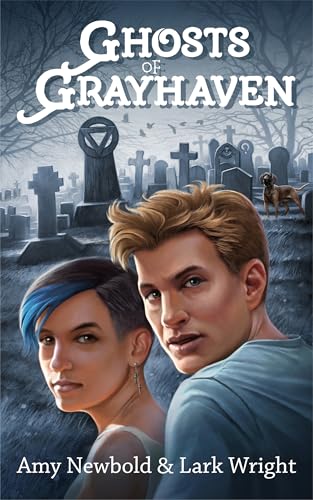
Ghosts of Grayhaven by Amy Newbold and Lark Wright

Some of you probably know Lark, who blogs at Lark Writes. She’s a blogger I’ve been following for many years so when she announced recently that she and her sister, Amy Newbold, had written and published a novella together I was interested in reading it.

The story begins with Mariah Moore arriving in the small town of Grayhaven in the Pacific Northwest with instructions from a client to complete a very unusual task. She has been asked to locate the burial place of Bartholomew Kane and perform a special ritual at his grave. Mariah has no idea why she needs to do this – it’s just a job to her and as long as she gets paid she doesn’t ask too many questions.

Zeb Raven has inherited the position of Keeper from his father. He’s responsible for protecting the graves in the cemetery – including the one that Mariah has been sent to find. When Mariah unknowingly releases a vengeful spirit from Bartholomew Kane’s grave, she and Zeb must work together to set the spirit to rest and rescue the people of Grayhaven from its evil.

Ghosts of Grayhaven is a supernatural story with a touch of romance. It could probably have been expanded into a longer book, but it’s also fine the way it is and I found it a quick, entertaining read. Mariah and Zeb are both engaging characters – I was particularly intrigued by Mariah’s job, doing unpleasant or dangerous tasks that her clients don’t want to do themselves, but Zeb’s work as the Keeper of the graves is also interesting. Cemeteries are always great settings, both for the spooky, ghostly atmosphere they can evoke and for what they can tell us about the history of a town and its families.

There’s also a third main character who joins Zeb and Mariah in their mission to save Grayhaven – Zeb’s dog, Moose, who plays a big part in the story. Lark has shared a picture on her blog of the Bavarian Mountain Scent Hound who inspired Moose. He was definitely my favourite character in the book! I think Amy and Lark can feel proud of what they’ve achieved with this novella and I hope they’ll be writing more.